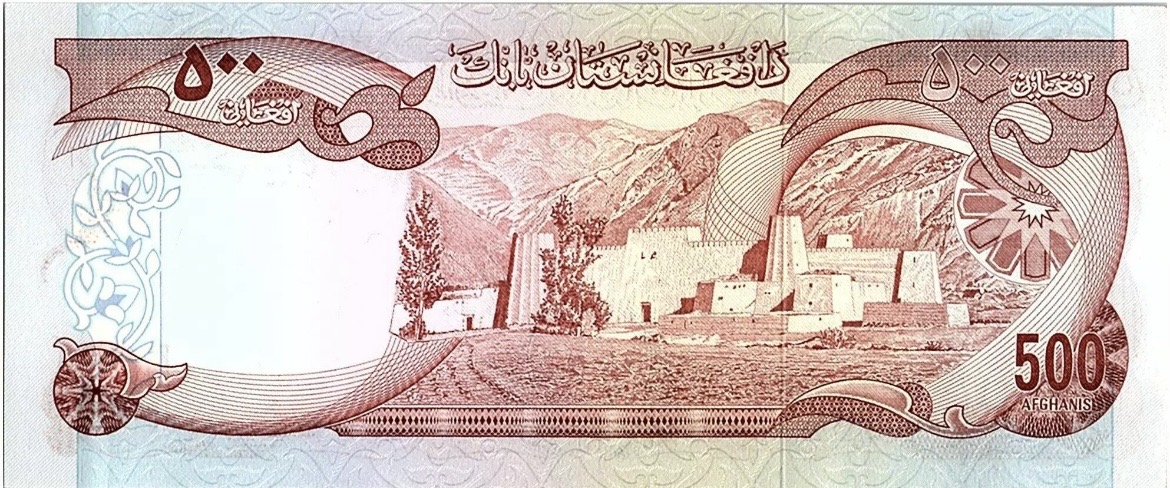
Lakhshom Qala, a historic fortress in Bulula village, Shibar District, Bamyan Province, forms part of the region’s architectural heritage and collective historical memory. Local reports place it about 48 kilometres east of Bamyan city. Residents estimate its age at 300–500 years; establishing its construction date and phases of rebuilding requires historical documentation and archaeological research.
In accounts shared by residents and elders of Shibar, fortresses and enclosures in Ismaili-inhabited areas are connected with the castle-dwelling traditions of Alamut and Greater Khorasan. This interpretation sees the region’s fortresses as expressions of Alamut’s intellectual legacy and traditions of collective defence. The Dari Wikipedia article on Shibar District also describes this connection and reports that Lakhshom Qala appeared on banknotes from the republic of Mohammad Daoud Khan, providing a lead for studying the building’s place in Afghanistan’s visual heritage.
According to the family and local account submitted to HSKRC, the fortress’s owner family has been Ismaili for generations, and residents of Bulula used the fortress for shelter and village defence during attacks. The same account states that it remains in the hands of local Ismailis. These details are recorded as community oral history; documenting the ownership succession, defensive events and the building’s present circumstances will help complete its historical record.